

NEARLY ONE YEAR IN
11-Month Builder Warranty Inspections
Your home has had time to be lived in through changing weather and ordinary routines. A focused inspection helps you organize what you are seeing before your builder warranty deadlines arrive.
A home looks different after real use
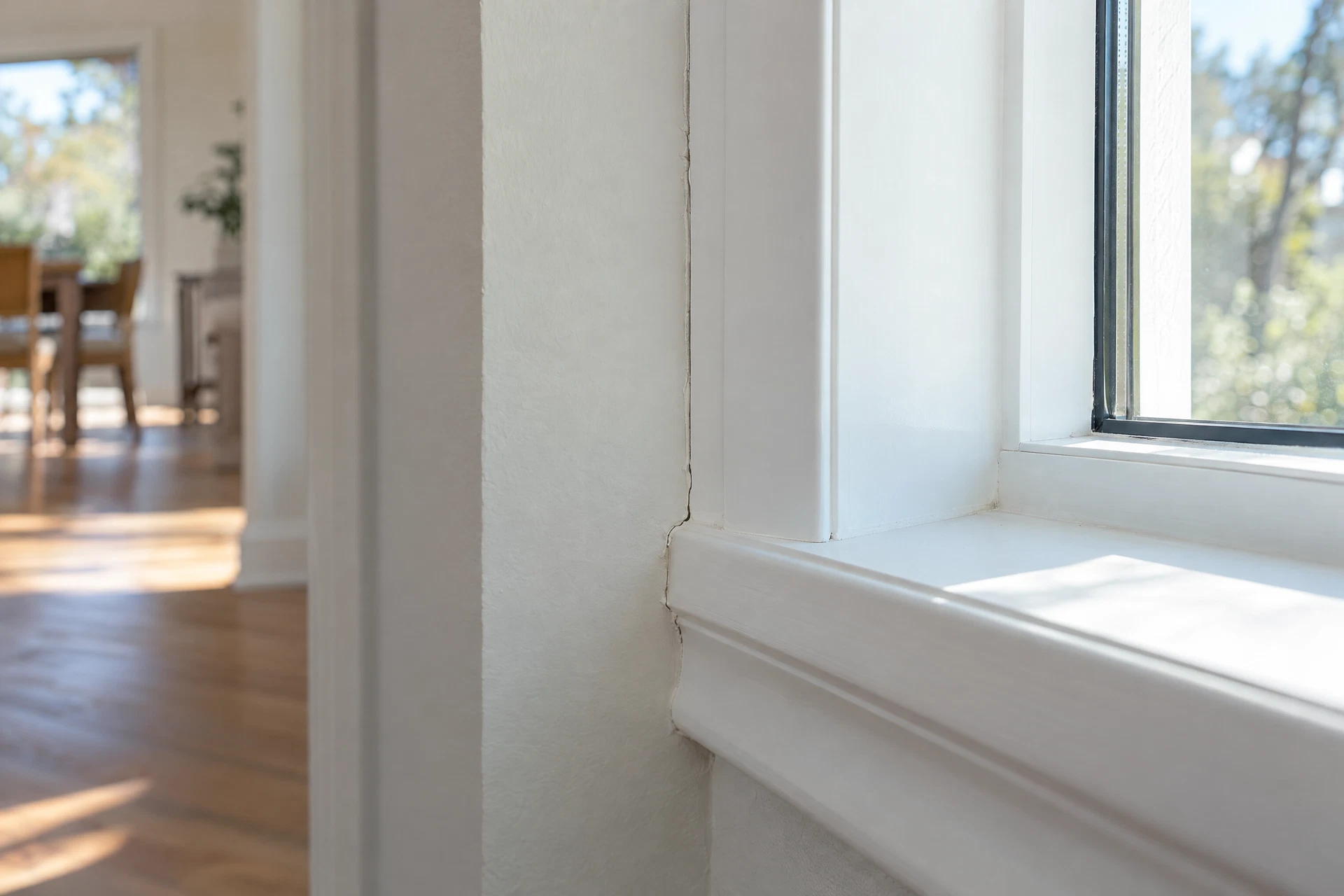
The first months in a new home reveal things that a final walk-through may not. A door may begin to rub after seasonal movement. A window may show moisture after cold mornings. A room that looked finished at closing may develop a drywall crack, a loose trim joint, or a floor surface concern once furniture, foot traffic, heating, cooling, and everyday use have had their effect.
An 11-month builder warranty inspection is a practical way to step back and review those observations before a common first-year warranty milestone. DG Home Inspections examines readily accessible areas and systems, then puts observed material concerns into a factual, organized report. It gives you a better starting point for speaking with your builder; it does not decide what the builder must repair or what your warranty covers.
Use the year you have lived in the home
Bring the patterns you have noticed, not just a list of cosmetic preferences. Note when a symptom appears and what was happening at the time. Examples include a bathroom fan that seems ineffective after a shower, a garage door that operates differently in cold weather, staining below a window after rain, a persistent drain issue, or an uneven temperature between rooms. Details help distinguish a passing observation from a condition worth examining.
Seasonal changes can make a one-year review especially useful in Northern Nevada. Heating and cooling cycles, wind, rain, sun exposure, and normal settlement may make certain conditions easier to see after occupancy. Point out items that recur, change with weather, or affect daily use. The inspection is not a prediction of future performance, but your notes give the visit the context that a single day at the property cannot provide.
A report built for a direct conversation
The goal is not to turn every small imperfection into a dispute. It is to document observed conditions clearly enough that you can discuss them with the right information in front of you. DG’s report describes relevant findings in writing and includes photographs or videos when appropriate. You can access it online or download a PDF for your records, your builder’s service process, or a qualified contractor’s further evaluation when needed.
Start with your warranty booklet, builder portal instructions, and any prior service requests. Compare the report with the notice method and deadlines in your own documents, then communicate in the format your builder requires. Keep copies of submitted requests and responses. Builder warranties commonly have different coverage periods for different components, and the actual contract controls coverage, exclusions, notice requirements, and any repair decision. DG does not make warranty, legal, or claim determinations.
Make accessible areas available for review
Before the appointment, collect the concerns your household has noticed and mark them on a simple room-by-room list. Have warranty paperwork available for your own reference, but the inspection does not interpret the contract. Clear access to the electrical panel, furnace or air handler, water heater, attic entry, garage, crawl-space entry if present, and major fixtures helps the visual review proceed without unnecessary gaps. Secure pets and move stored items that block access.
A home inspection is a non-invasive visual examination of accessible areas, using normal operating controls. It is not technically exhaustive and cannot reveal concealed or latent defects. It does not establish code compliance, evaluate items that cannot be safely accessed, determine a repair cost, or replace a specialist, engineer, builder, or warranty administrator. If a condition needs further review, the report can help you decide what question to take to the appropriate professional.
A FEW USEFUL ANSWERS
Questions worth asking.
When should I schedule an 11-month builder warranty inspection?
Schedule early enough to receive the report, review it, and follow the notice steps in your actual warranty before any deadline. Do not assume every builder uses the same one-year date or submission process. Your closing documents and warranty materials are the place to confirm dates, methods, and component-specific coverage.
Will the inspection tell me what my builder has to repair?
No. The inspection documents observed conditions in accessible areas and may identify items for further evaluation. It does not interpret your agreement, decide if an item is covered, assign responsibility, or require a repair. Those questions depend on the builder warranty, its exclusions, its notice rules, and the builder or warranty administrator’s review.
What should I have ready on inspection day?
Share a room-by-room list of symptoms, including when they happen and whether weather or normal operation affects them. Make key areas accessible and secure pets. Keep your warranty documents and prior service-request records handy for yourself. You do not need to diagnose the issue first; clear observations are more useful than guesses.