
SEWER LATERAL VIDEO
See the Accessible Sewer Line Before You Commit
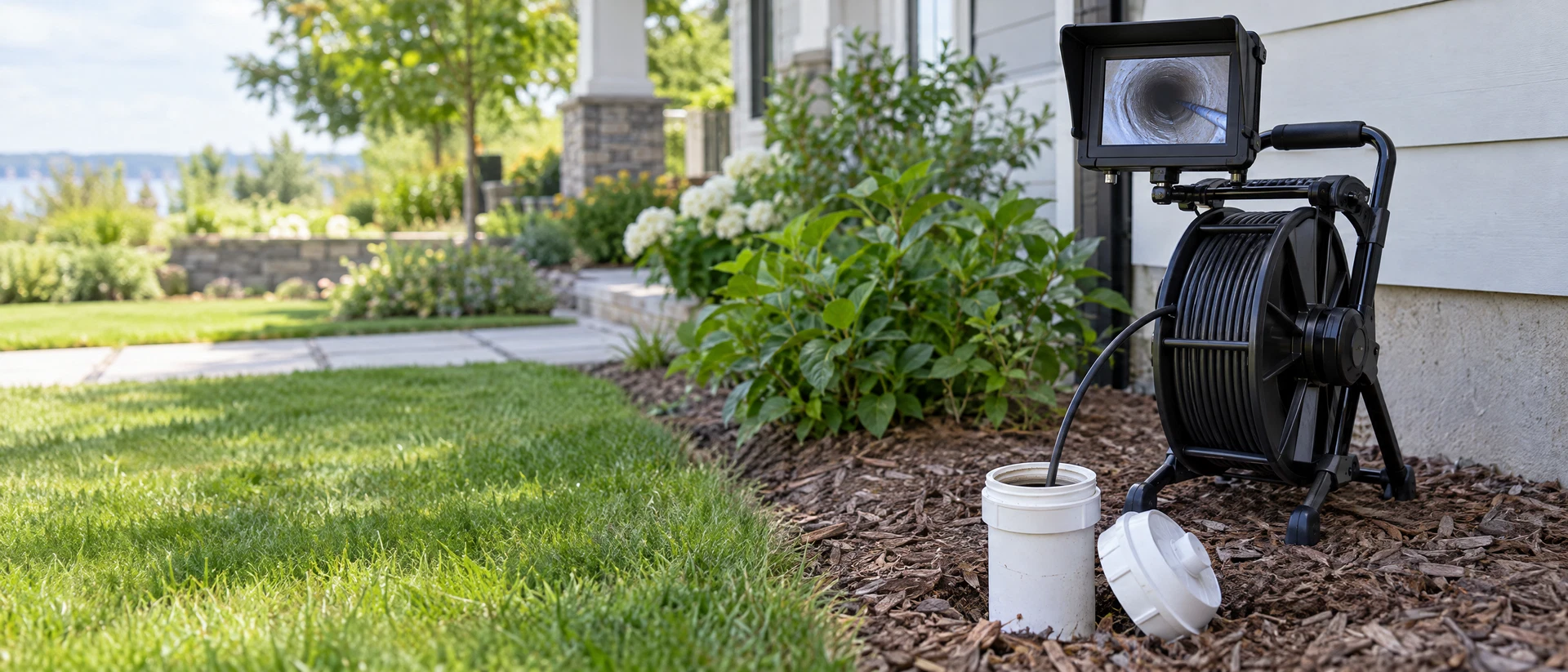
A sewer scope video provides a camera view inside accessible portions of the buried sewer line. It adds useful evidence beyond a quick check that sinks, showers, and toilets happen to drain during a visit.
The line below ground deserves its own look
The sewer lateral is out of sight, running from the home toward the public connection or a private system. A normal flush or a sink that empties quickly is a useful observation, but it does not establish the condition of that buried run. A sewer scope uses a camera to view accessible portions of the line and document what is visibly present on the day of the inspection.
For a buyer, that extra view can put a visible condition into the due-diligence conversation before the transaction closes. For a seller or current owner, it can help separate a question about the buried line from a broader plumbing concern. DG Home Inspections provides this as a focused video inspection, with Mike Ardizzone available to explain what the camera did and did not show.
Why fixtures can look fine
Water can move through a sink, shower, or toilet during an inspection even when the underground lateral has a visible issue farther along. The fixture check reflects what happens at that moment and from that particular fixture. It cannot show the pipe wall, joints, alignment, or the area beneath the yard. A camera view adds direct visual information about the accessible line rather than treating normal drainage as proof of overall line health.
That distinction matters when you are weighing repair requests, planning ownership costs, or deciding how urgently to pursue another opinion. The video may show a condition that warrants review, or it may show that the accessible footage is clear while a separate drainage symptom needs more diagnosis. In either case, the result is evidence for a more informed conversation, not a promise that the entire buried line is problem-free.
Access shapes the view
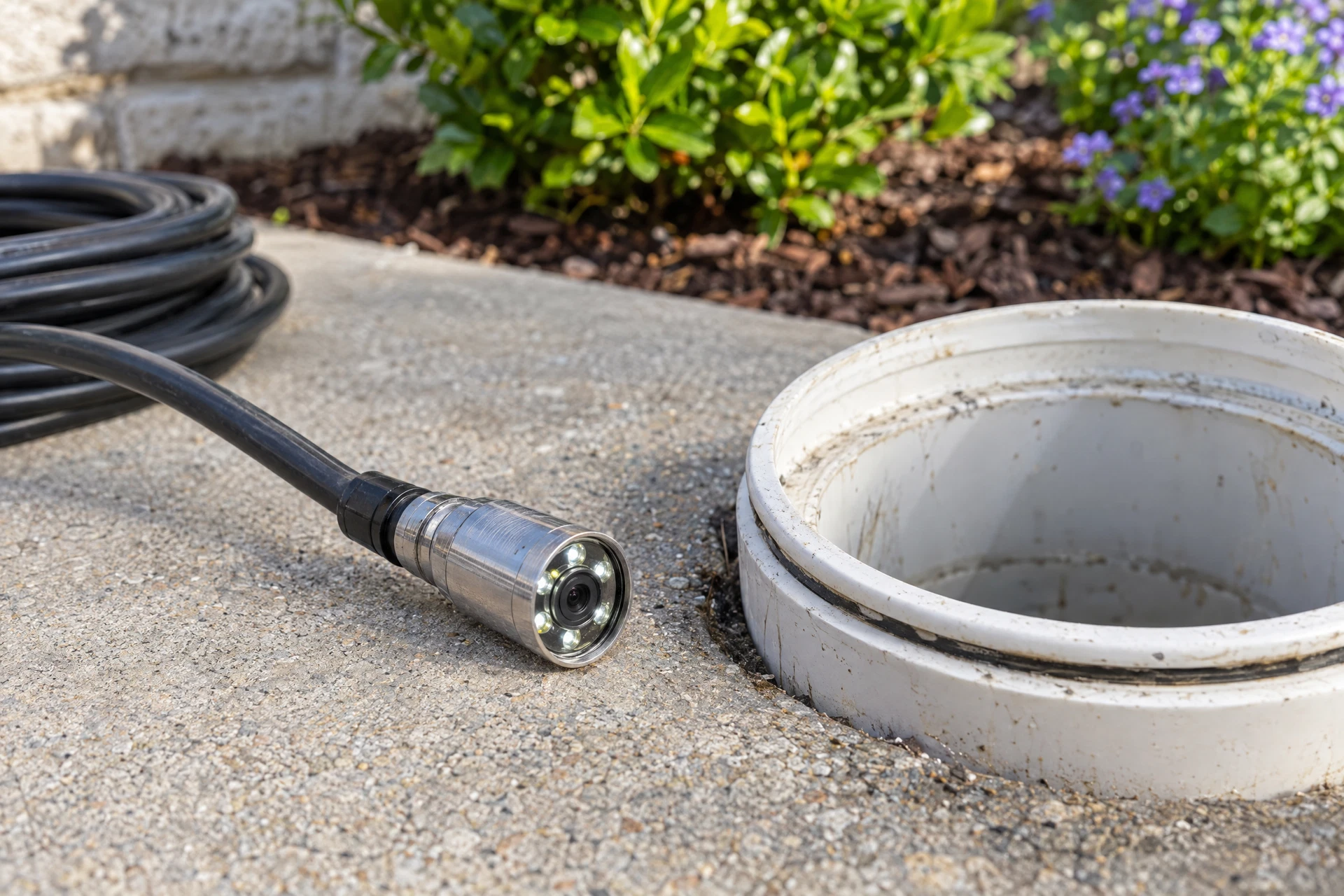
A sewer camera needs a suitable, accessible entry point, commonly a cleanout, to travel through the exterior lateral. Before the scope, clear access around the likely entry area and let us know about gates, pets, occupied spaces, or known drainage concerns. The condition of the access point and the pipe itself can affect how much of the line can be viewed and recorded.
Some lines cannot be viewed end to end. A blocked, damaged, sharply offset, water-filled, or otherwise obstructed section can stop the camera before it reaches farther downstream. The camera is not forced through an obstruction, and the scope does not depend on removing toilets, clearing blockages, excavating, or taking apart plumbing to create access. Any unviewed portion and the apparent reason for that limit should remain part of the discussion.
What visible footage may reveal
When the camera has a clear path, the video can reveal visible conditions such as cracks, separated connections, root intrusion, offsets, standing water, restrictions, crushed or collapsed areas, corrosion or scale, grease, and pipe deterioration. It may also help identify the visible pipe material. Footage is especially useful because it ties the conversation to the portion of the line that could actually be seen, rather than to a guess from the surface.
A sewer video is narrower than a full plumbing inspection. It is not a repair service, a cleaning service, or a diagnosis of every drain or in-house plumbing component. It does not establish code compliance, locate underground defects precisely, provide repair pricing, or guarantee future flow or line condition. If a concerning condition is visible, a qualified plumbing contractor can evaluate repair options, cleaning needs, and further investigation.
A FEW USEFUL ANSWERS
Questions worth asking.
Is a sewer scope part of a standard home inspection?
No. A sewer scope is a separate, focused video inspection of the accessible sewer lateral. A standard inspection may observe plumbing fixtures and visible components, but it does not provide a camera view inside the buried line. Adding a scope gives you information about a system that is otherwise largely hidden.
Will the camera inspect the entire sewer line?
Only if access and line conditions allow the camera to travel that far. An inaccessible cleanout, debris, a restriction, damage, or another obstruction may limit the view. The footage documents the portions reached; it does not support a conclusion about portions that could not be seen or about conditions that develop later.
What happens if the video shows a concern?
DG Home Inspections will explain the visible condition and the limit of the camera view so you can decide on an appropriate next step. A qualified plumbing contractor can assess repair, cleaning, or additional diagnostic options. DG does not perform sewer repairs or provide an absolute guarantee of line health from the video.