

FOR THE HOME YOU PLAN TO KEEP
Home Maintenance Inspections for Long-Term Owners
When you are staying in your home, a focused inspection can turn scattered concerns into practical upkeep priorities. DG Home Inspections helps you see the accessible condition of the systems and water paths you live with every day.
Turn everyday wear into a workable plan
A home you are not selling needs a different conversation. You may see a stain after a storm, an overflowing gutter, a changed faucet, or equipment that has not been considered in years. A maintenance inspection puts those observations in order, helping you decide what needs prompt attention, what to watch, and what belongs on a future work list.
Mike Ardizzone brings over 25 years of industry experience to a visual inspection of accessible areas and systems. The goal is to document observed conditions clearly and explain how they relate to upkeep, not make every item urgent. You receive a personalized digital report within 24 hours of the completed inspection, with photos or video when appropriate, so planning is based on a useful record rather than memory.
Follow the water first
Water management is a useful place to begin because the roof, gutters, downspouts, grade, and nearby hardscape affect where rain goes. Mike looks for accessible, visible conditions that may matter, including apparent gutter damage or debris, downspout discharge that needs attention, and grading or surface drainage near the structure. He notes visible signs that merit a closer conversation without assuming that one exterior clue explains the cause.
At the roofline, the inspection considers roof-covering materials, visible flashings, vents, gutters, downspouts, and observable indications of active leakage from accessible viewpoints. Roof surfaces are not automatically walked, and weather, height, snow, debris, or unsafe conditions can limit observation. The report can start a repair-planning conversation with a qualified roofing professional; it is not a roof warranty or a forecast of roof life.
Check the systems you rely on
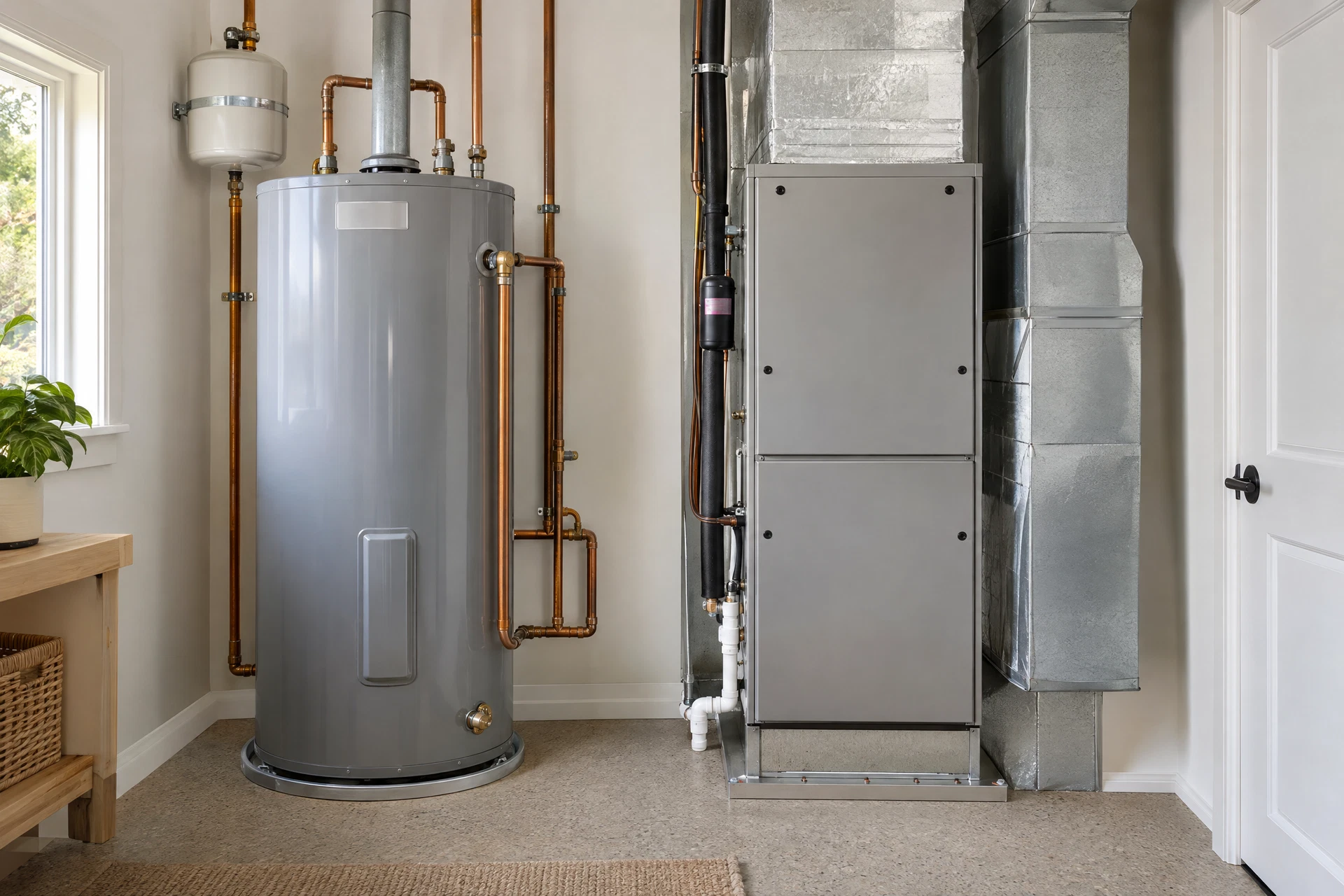
Mechanical and plumbing concerns can be easy to postpone while the house still functions. During the inspection, accessible heating and cooling equipment can be observed using normal controls when conditions allow. Accessible fixtures are run, toilets are flushed, and drains are checked for functional drainage. Mike also observes accessible water-heating equipment and visible supply and drain components in scope. Gas leak, carbon monoxide, and moisture meters are used as needed at no additional charge.
The report is a snapshot of inspection-day observations, not a service-life calculation or guarantee against later failure. A system can operate during an inspection and still need future service; an inaccessible, shut-down, or unsafe component may limit observation. If findings point to a concern, use the report to brief a qualified HVAC, plumbing, electrical, or other trade professional, who can diagnose, price, and complete needed work.
Make the visit count
A little preparation makes the inspection more useful. Clear reasonable access to the water heater, furnace or air handler, electrical panel, plumbing fixtures, attic or crawl-space entries, and exterior perimeter where possible. Have notes ready about recurring leaks, seasonal odors, a tripped breaker, water after storms, or equipment behavior you have noticed. Those patterns help Mike connect your experience with accessible conditions, without asking him to guess behind finished surfaces.
Afterward, review the report as a working home-care document. Separate conditions needing prompt qualified trade evaluation from routine maintenance and items to monitor. Mike takes time to explain findings and answer questions before you arrange work. The inspection is non-invasive and visual, not technically exhaustive. It cannot reveal concealed conditions, determine code compliance, or predict every future repair need, but it can give maintenance decisions a firmer starting point.
A FEW USEFUL ANSWERS
Questions worth asking.
When does a maintenance inspection make sense?
It can be useful when you have stayed in the home long enough for small concerns to accumulate, before you plan a group of projects, or after you notice changes such as runoff near the house, recurring moisture, or inconsistent equipment operation. There is no one schedule that fits every property; timing should reflect your concerns and planned upkeep.
Will this tell me when my roof or equipment will fail?
No. The inspection documents accessible, visible conditions on the day of the visit. It does not determine a component's remaining service life or predict future failures. If a roof, appliance, or mechanical condition needs deeper evaluation, the report can help you explain the observed issue to the appropriate qualified trade specialist.
What should I do with the maintenance report?
Use it to sort observations into prompt concerns, routine upkeep, and items to monitor. Keep the digital report with home records, then share the relevant photos and notes with a qualified handyman or trade specialist when requesting an estimate or diagnosis. DG Home Inspections explains observed findings but does not provide repair services or repair-cost estimates.