COMMERCIAL PROPERTY CONDITION
Light Commercial Building Inspections
DG Home Inspections provides practical condition information for buyers and owners of suitable light commercial buildings. Mike Ardizzone looks at accessible components so you can organize questions, next steps, and qualified follow-up.
A clearer look before the next decision
A small retail space, office building, mixed-use property, or other suitable light commercial building can bring more condition questions than a quick tour answers. Which visible concerns deserve closer attention? What should be discussed with a contractor or specialist? What records might explain a past repair? This service provides property-condition information based on what can be safely and reasonably observed within the agreed inspection scope.
It can be useful before a purchase, when an owner is organizing maintenance, or when a building needs a more deliberate review than a routine walk-through. The goal is not to label a property pass or fail. It is to give you an organized view of observed conditions, unanswered questions, and practical follow-up so you can plan the next conversations with appropriate professionals.
Start with the property you have
Light commercial properties differ in layout, age, occupancy, equipment, and operating history. Before the inspection, it helps to discuss the building’s intended use, the reason for the review, areas of concern, tenant or manager coordination, and any limits on access. That conversation helps set a practical scope for this particular property instead of assuming everything can be covered.
Access affects what can be observed. Arrange entry to locked utility, mechanical, electrical, storage, roof, and tenant areas within the agreed scope, and let occupants know about the visit when needed. Gather records already available to you, such as repair invoices, warranties, maintenance logs, permits, certificates of occupancy, or notices. Those documents can add context, but missing paperwork or restricted access should be recognized as limits of the inspection.
Focus on observable condition
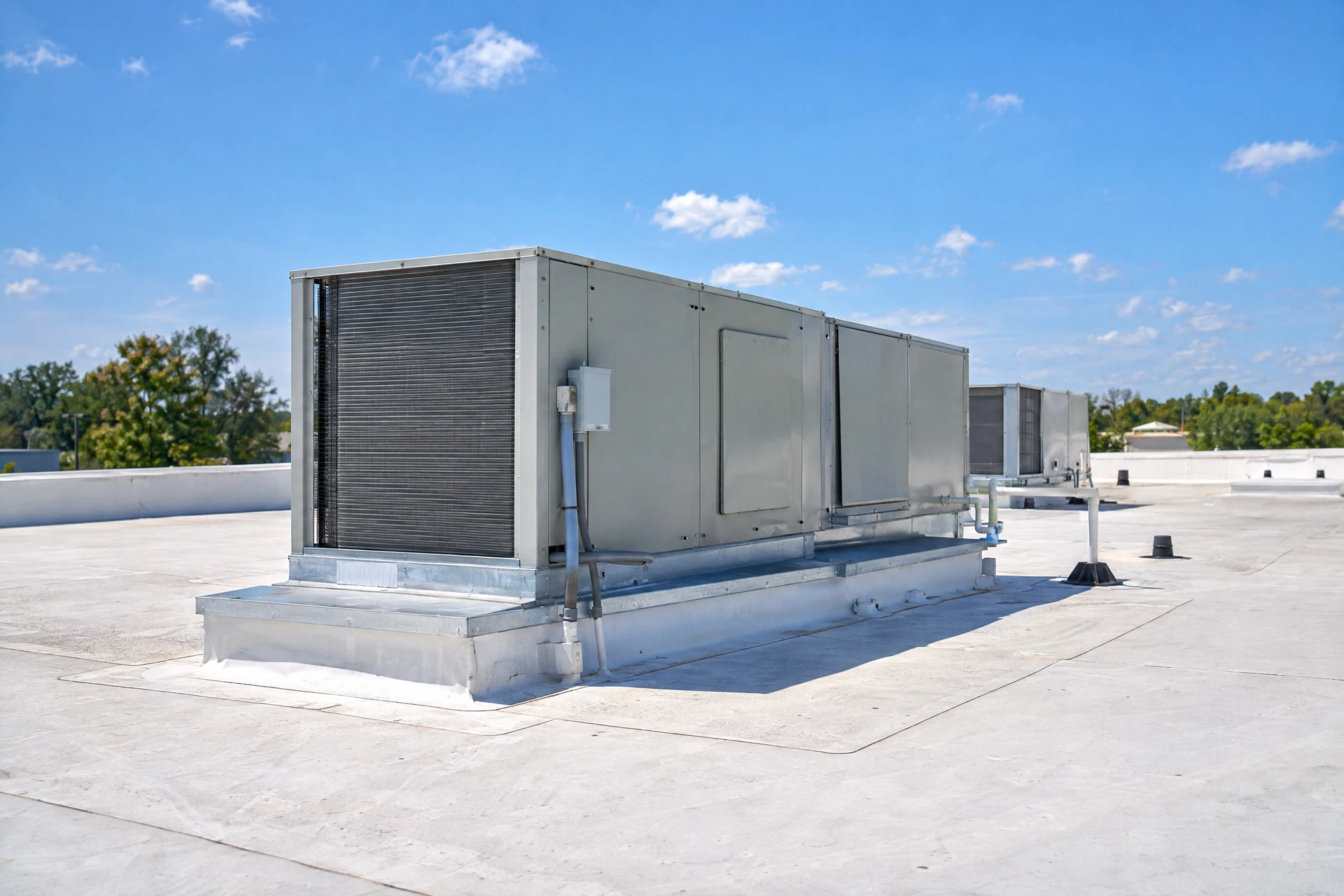
The inspection centers on accessible components and conditions that can be observed without dismantling, probing, or testing every possible function. The agreed scope determines the areas and systems to be considered. Visible exterior, interior, roof, plumbing, electrical, heating, or cooling components may be relevant when included and safely accessible. A component that is concealed, unsafe to reach, shut down, or outside the agreed scope cannot be evaluated as though it were fully examined.
DG provides a personalized digital inspection report within 24 hours of the completed inspection. It records observed conditions in a format you can review online or download as a PDF, with photos and videos when appropriate. Mike takes time to explain the findings and answer questions. The report helps preserve the condition information from the visit, but it reflects observations made on that date and does not predict future performance or identify every defect.
Use findings to plan the next work
For a buyer, the report can help turn general concern into a more useful due-diligence list: questions for the seller, records to request, and items to take to a qualified contractor or specialist. For an owner, it can help sort observed conditions into maintenance conversations, repair planning, and matters that deserve further evaluation. It does not prescribe the purchase decision or replace the judgment of the professionals involved in the transaction.
This service is not an architectural or engineering evaluation. It does not certify compliance with building codes, zoning, permitted occupancy, insurance requirements, or ADA accessibility standards. It also does not identify environmental hazards or provide appraisals, market or investment value conclusions, repair-cost estimates, or a guarantee of future condition. When an observed condition calls for answers beyond a visual inspection, use the report to decide which qualified professional should assess it.
A FEW USEFUL ANSWERS
Questions worth asking.
Can this inspection tell me whether the building meets ADA or building-code requirements?
No. ADA accessibility and code compliance involve specific legal, scoping, and technical requirements that are outside a general property-condition inspection. An observed condition may give you a reason to ask more questions, but a qualified accessibility, code, or design professional should evaluate compliance when that determination is needed.
What should I arrange before the inspection?
Confirm access to the areas included in the agreed scope, including locked rooms or tenant spaces where applicable. Tell relevant occupants or managers about the visit. Share useful records you already have, such as maintenance logs, repair invoices, warranties, permits, or notices, and identify any known concerns or areas that need attention.
Can the report give me a repair budget or tell me whether to buy?
The report can help you identify observed conditions and decide where qualified follow-up is useful, but it is not a repair-cost estimate or investment recommendation. Contractors and appropriate specialists can price and define work after their own review. Your transaction advisers can help you weigh those findings in the context of your decision.