INDOOR AIR INFORMATION
Radon Testing for Your Home
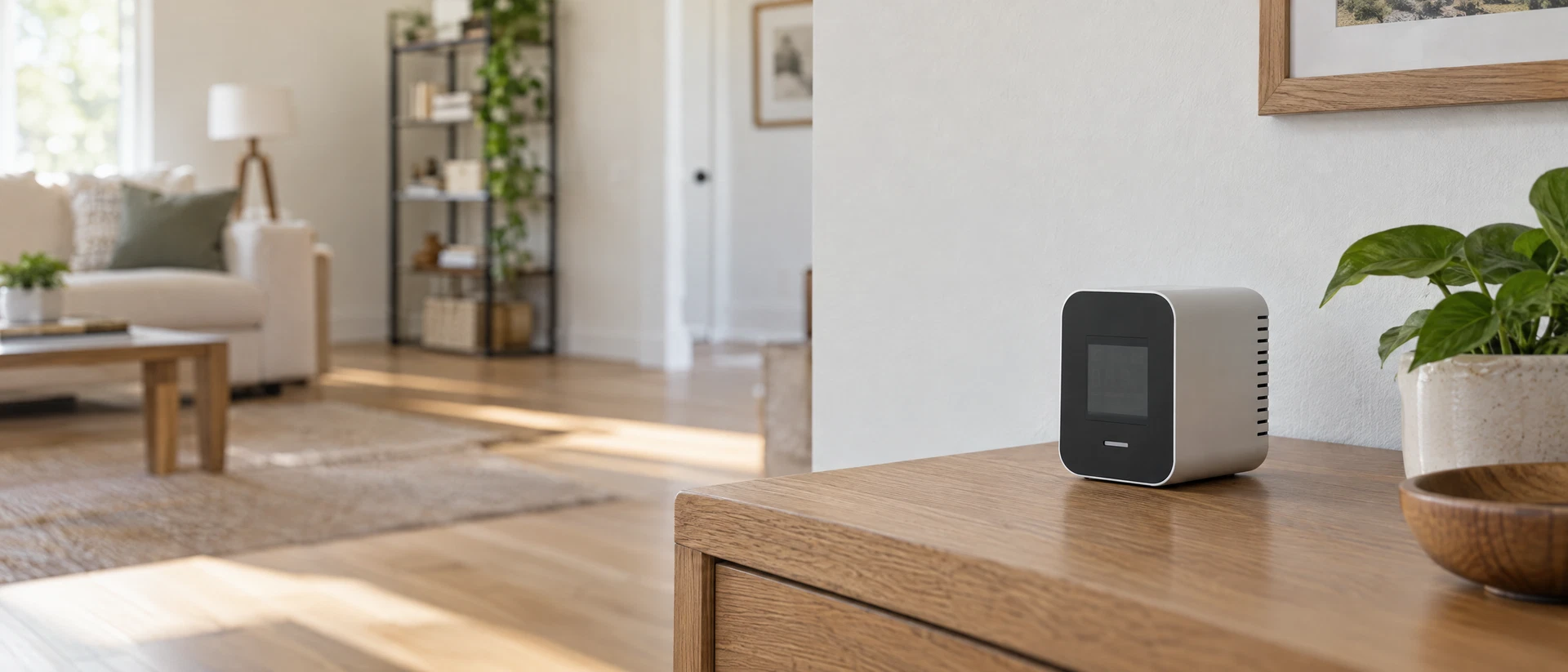
A radon measurement brings a hidden indoor-air condition into the conversation before you buy, sell, or plan work on a home. DG Home Inspections provides testing so you can consider a result for the particular property.
A measurement, not a guess
Radon is a naturally occurring radioactive gas that can move from soil into a building. It has no color, smell, or taste, so walking through a house cannot tell you what is in its indoor air. A dry basement, newer construction, or a neighbor’s result does not answer for a property. A properly placed measurement is the way to learn about the home being considered.
For buyers, it provides property information before a major decision. For sellers, measuring before listing can give you time to understand an unexpected result. For owners staying put, it creates a starting point for a conversation with a qualified mitigation specialist if the reading calls for it. The purpose is practical: measure the indoor condition, maintain testing conditions, then decide what information belongs in your next conversation.
Why the address does not answer it
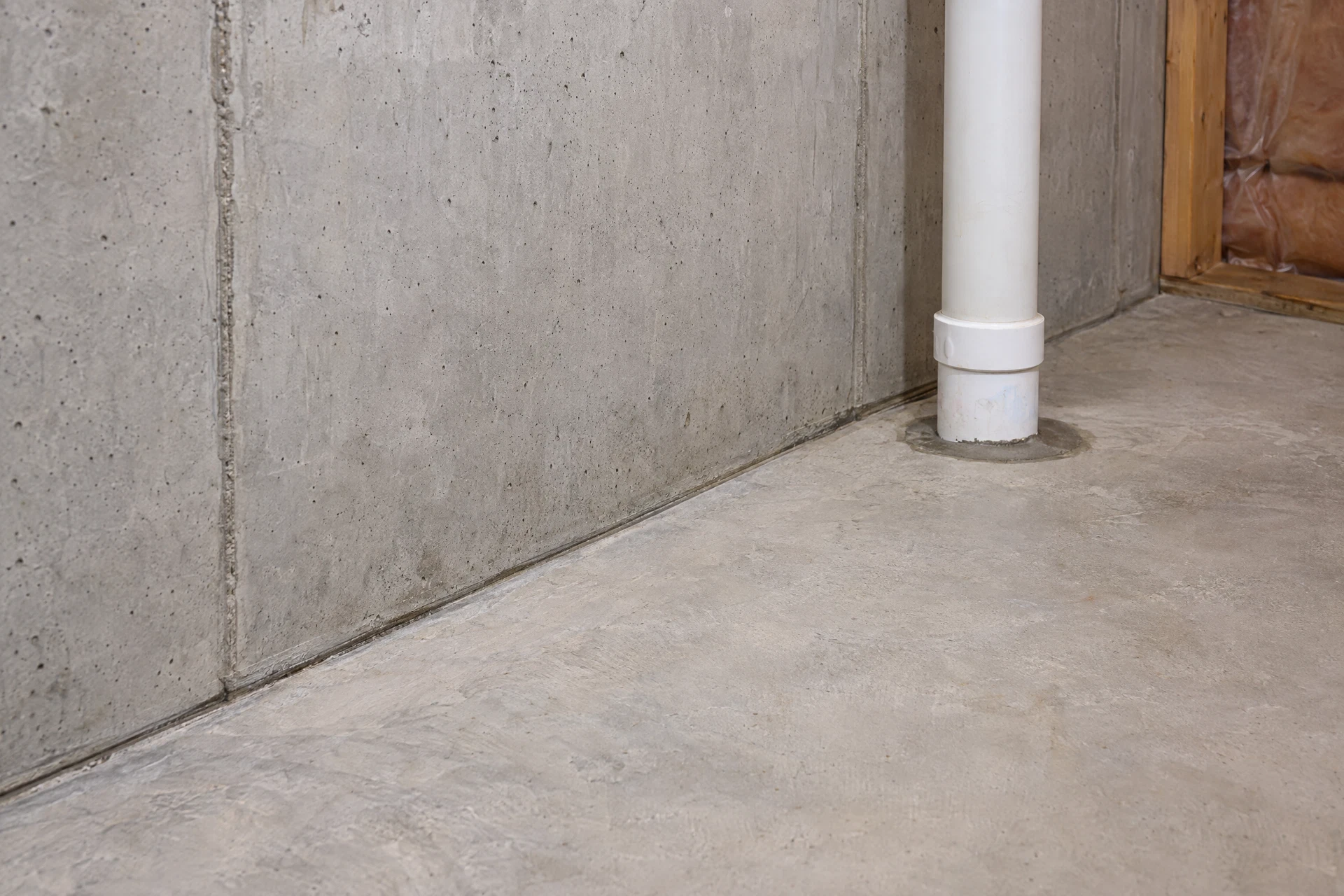
Radon comes from the natural breakdown of uranium in soil, rock, and water. It can enter a building from the ground and accumulate indoors. Construction, the way a home interacts with the soil, and how its spaces are used can all matter. Two houses on the same street can have different measurements.
A regional radon map, a neighbor’s test, or a home’s age can help raise the question, but none of them supplies the answer for your house. New and older homes, homes with and without basements, and both tightly sealed and drafty homes can have radon concerns. Testing avoids treating a location label or another property’s result as a substitute for information about the property you are evaluating.
Set up the test for useful data
Good preparation begins with access to the right part of the home. EPA guidance places a test device in the lowest level that could be used regularly, including a finished or unfinished lower area that could serve as living, play, exercise, or work space. Let Mike know how the lower spaces are actually used and make sure the appropriate room can be accessed. Closets, hallways, bathrooms, laundry rooms, and furnace rooms are not typical test locations.
Testing conditions also matter because outdoor air changes can affect an indoor measurement. For a short-term test, EPA guidance calls for closed-house conditions before and during the test: exterior windows stay closed, exterior doors stay closed except for normal entry and exit, and equipment that brings outdoor air inside should not run. Keep normal heating and cooling in operation. Coordinate these conditions with residents, agents, and anyone else who may enter the home so the measurement is not disturbed.
Read the number in context
Radon results are commonly reported as picocuries per liter of air, written as pCi/L. EPA recommends taking action to reduce indoor radon when a result is 4 pCi/L or higher. EPA also advises homeowners to consider reduction between 2 pCi/L and 4 pCi/L because no known level of radon exposure is risk-free. The number is a useful decision point, not a diagnosis of every indoor-air or building condition.
If a result suggests that mitigation is worth pursuing, the next technical opinion should come from a qualified radon mitigation specialist. That specialist can assess the home’s construction, consider any existing reduction equipment, and recommend an approach for the property. A testing result is not itself a repair plan, and sealing visible cracks alone should not be assumed to solve a radon issue. Ask a mitigation specialist to explain the proposed scope and any follow-up measurement.
A FEW USEFUL ANSWERS
Questions worth asking.
Can I rely on my neighbor’s radon test?
No. Nearby results can make radon testing a sensible question, but radon levels can vary substantially from one home to another. The home’s construction, soil connection, and indoor conditions can affect its reading. A test at the property gives information about the home you are actually buying, selling, or occupying.
Which part of the home needs access for testing?
The useful location is generally the lowest level that could be used regularly, not simply the lowest unfinished space. A family room, bedroom, workshop, or exercise area may matter. Share how lower-level rooms are used, and arrange access to the appropriate area. Avoid assuming a closet, hallway, bathroom, laundry room, or furnace room is suitable.
What happens after a radon result?
Review the reading as property-specific information. EPA recommends action at 4 pCi/L or higher and suggests considering reduction between 2 pCi/L and 4 pCi/L. If mitigation may be appropriate, contact a qualified radon mitigation specialist for an evaluation of the home and a recommended approach. The test result does not prescribe a repair by itself.